Why Low-Flow Toilets Need a Better Plunger: The Hidden Problem Most Homeowners Miss (2026 Guide)
Low-flow toilets are now standard in millions of homes across America. They save water, reduce monthly utility bills, and support eco-friendly living. But there’s one issue many homeowners discover too late: low-flow toilets often need a better plunger than traditional models can provide.
If you’ve ever dealt with a slow flush, repeat toilet clog, weak bowl evacuation, or a frustrating backup that keeps coming back, you’re not alone. Many modern toilets are efficient by design—but that same efficiency can make them less forgiving when it comes to blockages.
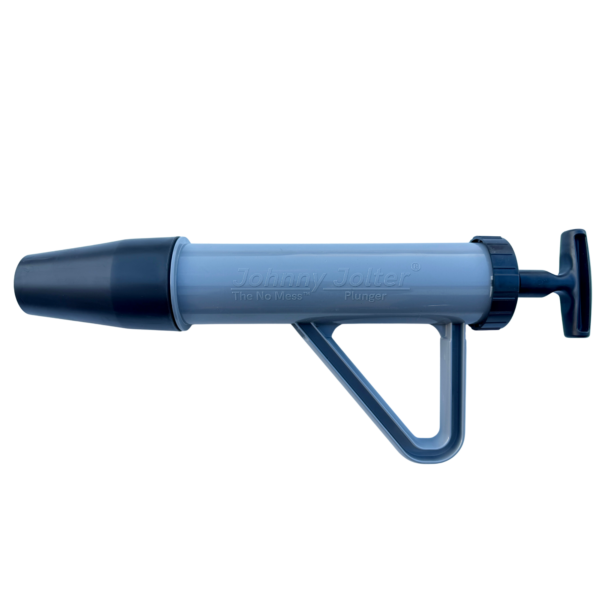
In this guide, we’ll explain why low-flow toilets clog more often, why old-school plungers fail, and why a water-powered hydraulic plunger like the Johnny Jolter No-Mess Plunger is the smarter solution for 2026 and beyond.
What Is a Low-Flow Toilet?
A low-flow toilet is designed to use significantly less water per flush than older toilets. While traditional toilets once used 3.5 to 7 gallons per flush, many modern toilets use 1.28 gallons or less.
That’s excellent for:
- Water conservation
- Lower water bills
- Sustainable home upgrades
- Eco-conscious households
But reduced water volume also means less natural force moving waste through the toilet trapway and drain line.
That’s where clogging problems begin.
Why Low-Flow Toilets Are More Likely to Clog
Many homeowners search online for:
- why does my low-flow toilet keep clogging
- best plunger for low-flow toilets
- low-flow toilet weak flush fix
- modern toilet clogs often
- toilet keeps backing up after flushing
Here’s why it happens:
1. Less Water Means Less Clearing Power
Older toilets used brute-force water volume. Newer toilets rely on improved bowl geometry and siphon design. When conditions aren’t ideal—extra toilet paper, dense waste, partial buildup—the lower water volume can struggle.
2. Narrower Internal Passageways
Many efficient toilet designs use tighter trapways to maximize flow velocity. These narrower channels can be more sensitive to blockages.
3. Partial Clogs Happen More Easily
A weak flush may not fully move debris out of the system. That creates recurring partial blockages that worsen over time.
Why Traditional Rubber Plungers Often Fail
Most homeowners still keep an old-fashioned cup plunger or low-quality flange plunger in the bathroom. Unfortunately, these tools were never ideal for many modern toilets.
Common Problems with Traditional Plungers:
- Poor seal on modern toilet openings
- Pressure loss from air leaks
- Weak inconsistent plunging force
- Splashback and bathroom mess
- Multiple exhausting attempts
That’s why so many people search “best toilet plunger that actually works.”
Why Hydraulic Plungers Work Better on Low-Flow Toilets
A hydraulic plunger uses water pressure instead of relying mainly on compressible air.
This matters because:
- Water transfers force more efficiently
- Pressure reaches deeper into the trapway
- Better for stubborn toilet paper clogs
- More effective for recurring low-flow toilet blockages
- Cleaner and faster results when well-designed
For homes with modern toilets, this is often the best upgrade you can make.
Why the Johnny Jolter Is Built for Modern Toilet Problems
The Johnny Jolter No-Mess Plunger was designed to solve the exact frustrations homeowners experience with standard plungers.
Powerful Hydraulic Pressure
Uses water-based force to clear clogs quickly and effectively.
Designed for Tough Toilet Clogs
Excellent for low-flow toilet backups, slow drains, and repeat clogs.
No-Mess Experience
Helps reduce splashback compared with frantic traditional plunging.
Fast, Reliable Results
Less time fighting the clog. Less frustration. Less cleanup.
Made for Real Homes
Whether you live in a new construction home, apartment, rental property, or older house with upgraded fixtures, Johnny Jolter is built for practical everyday use.
Signs You Need a Better Plunger Right Now
If any of these sound familiar, it’s time to upgrade:
- Toilet clogs more than once a month
- Need multiple flushes regularly
- Water rises before draining
- Old plunger rarely works the first time
- Messy splashback during plunging
- Low-flow toilet feels underpowered
A stronger tool often solves what people assume is a plumbing system issue.
How to Prevent Low-Flow Toilet Clogs
Use these homeowner tips:
✔ Use moderate toilet paper amounts
✔ Flush promptly instead of overloading bowl contents
✔ Never flush wipes or hygiene products
✔ Address slow flushing early
✔ Keep a high-performance plunger nearby
✔ Use a hydraulic plunger for complete clearing
Best Plunger for Low-Flow Toilets in 2026
If you’re researching the best plunger for low-flow toilets in 2026, the answer should focus on performance, cleanliness, and reliability.
That’s why many homeowners are switching from outdated rubber plungers to water-powered hydraulic plungers like the Johnny Jolter No-Mess Plunger.
It’s the smarter solution for modern toilet systems.
Low-Flow Solution: the No Mess Plunger
Low-flow toilets save water—but they often demand a better unclogging tool. Traditional plungers can struggle with modern bowl designs, reduced flush power, and recurring partial blockages.
A hydraulic solution gives you the pressure modern toilets sometimes lack.
If you want a cleaner, faster, more effective way to clear toilet clogs, the Johnny Jolter No-Mess Plunger is built for today’s bathrooms and today’s plumbing challenges.