Most homeowners don’t think about their toilet until it stops working.
Unfortunately, toilet clogs are one of the most common household plumbing problems, leading to frustration, messy cleanups, expensive plumbing bills, and emergency repairs. The good news is that most toilet clogs are preventable.
By understanding what causes clogs and adopting a few simple habits, you can dramatically reduce the chances of a backup occurring in your home.
In this guide, we’ll cover the most effective toilet clog prevention strategies, common mistakes homeowners make, and the essential tools every household should keep on hand.
Why Do Toilets Clog?
Toilets are designed to move water, waste, and toilet paper through a narrow internal channel called the trapway. When too much material enters the system—or when materials fail to break down properly—a blockage can occur.
Common causes of toilet clogs include:
- Excessive toilet paper use
- Flushable wipes
- Feminine hygiene products
- Children’s toys
- Paper towels
- Cotton swabs
- Low-flow toilet limitations
- Hard water buildup
- Partial obstructions left behind after previous clogs
Understanding these causes is the first step toward preventing future plumbing problems.
The #1 Rule of Toilet Clog Prevention
Only flush two things:
- Human waste
- Toilet paper
Despite marketing claims, many products labeled as “flushable” do not break down quickly enough to move safely through residential plumbing systems.
Items that should never be flushed include:
- Baby wipes
- Disinfecting wipes
- Paper towels
- Dental floss
- Cotton balls
- Cotton swabs
- Feminine hygiene products
- Cat litter
- Tissues
Even if these items appear to flush successfully, they can contribute to pipe blockages further down the line.
Use Toilet Paper Responsibly
One of the most overlooked causes of recurring toilet clogs is excessive toilet paper use.
Modern ultra-soft toilet paper brands are thicker and slower to break apart than standard toilet paper.
To reduce clog risk:
- Use moderate amounts
- Flush midway through larger uses if necessary
- Avoid flushing large wads all at once
- Consider septic-safe toilet paper if applicable
Small changes can significantly improve toilet performance.
Pay Attention to Slow Flushes
A slow-flushing toilet is often an early warning sign.
Many homeowners ignore symptoms such as:
- Rising bowl water
- Weak flushing force
- Gurgling sounds
- Slow drainage
These signs may indicate:
- Partial clogs
- Trapway restrictions
- Hard water buildup
- Venting issues
Addressing these symptoms early can prevent a complete blockage later.
Be Careful with Low-Flow Toilets
Modern low-flow toilets use significantly less water than older models.
While excellent for water conservation, they often have:
- Reduced flushing force
- Narrower internal passageways
- Greater sensitivity to excess toilet paper
If you own a low-flow toilet:
- Flush promptly
- Avoid overloading the bowl
- Address minor clogs immediately
- Keep a high-performance plunger nearby
Many recurring toilet clog problems stem from low-flow toilet limitations.
Watch for Hard Water Buildup
Mineral deposits can accumulate inside the toilet trapway over time.
This buildup narrows the passage and increases the likelihood of clogs.
Signs of hard water buildup include:
- Frequent clogs
- Reduced flushing performance
- Visible mineral staining
Routine cleaning and descaling can help maintain proper flow.
Keep the Right Plumbing Tools Ready
One of the biggest mistakes homeowners make is waiting until a plumbing emergency occurs before purchasing the proper tools.
Every home should have:
- A quality toilet plunger
- Toilet auger
- Adjustable wrench
- Plumber’s tape
- Drain snake
Most importantly, homeowners should choose a plunger designed for modern toilets.
Traditional rubber plungers often struggle with low-flow toilet designs and recurring clogs.
Why a Hydraulic Plunger Can Help Prevent Bigger Problems
Many toilet clogs become recurring issues because they are never fully cleared.
Traditional plungers may:
- Lose pressure
- Break seal
- Partially shift debris
- Leave obstructions behind
Over time, those partial obstructions become repeat clogs.
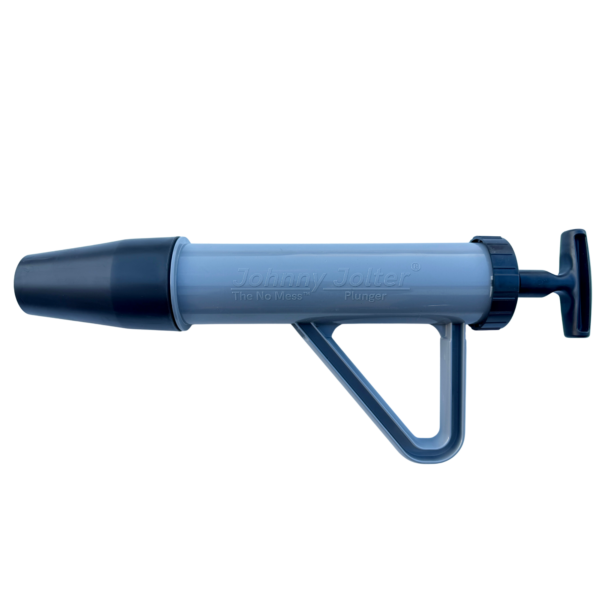
A hydraulic plunger such as the Johnny Jolter No-Mess Plunger uses water pressure to deliver stronger, more concentrated force through the trapway.
This helps clear blockages more completely and may reduce the likelihood of recurring clogs.
Warning Signs You May Be Headed for a Clog
Watch for these early indicators:
- Water rises before draining
- Multiple flushes required
- Weak flush performance
- Slow bowl evacuation
- Frequent plunging
- Occasional backups
Addressing these symptoms early is often much easier than dealing with a full toilet overflow.
The Cost of Ignoring Small Toilet Problems
Many homeowners postpone dealing with minor clogging symptoms.
Unfortunately, small problems often become larger ones.
Potential consequences include:
- Overflowing toilets
- Water damage
- Flooring repairs
- Emergency plumber visits
- Expensive drain cleaning services
Preventative maintenance is almost always less expensive than emergency repairs.
Preventing toilet clogs is much easier than dealing with them after they happen.
By flushing only appropriate materials, monitoring toilet performance, maintaining your plumbing system, and keeping the right tools available, you can dramatically reduce your chances of experiencing a frustrating backup.
For homeowners looking for a cleaner, more effective way to handle toilet clogs when they occur, the Johnny Jolter No-Mess Plunger provides powerful hydraulic pressure designed for modern toilets and modern plumbing challenges.
A little prevention today can save significant time, money, and frustration tomorrow.