For decades, homeowners have relied on the same old rubber toilet plungers sitting beside bathroom toilets across America. But despite being considered a “household essential,” traditional plungers are often frustrating, messy, and surprisingly ineffective—especially with modern low-flow toilets.
If you’ve ever found yourself plunging repeatedly, dealing with splashback, or fighting the same clog over and over again, the problem may not be your toilet.
It may be your plunger.
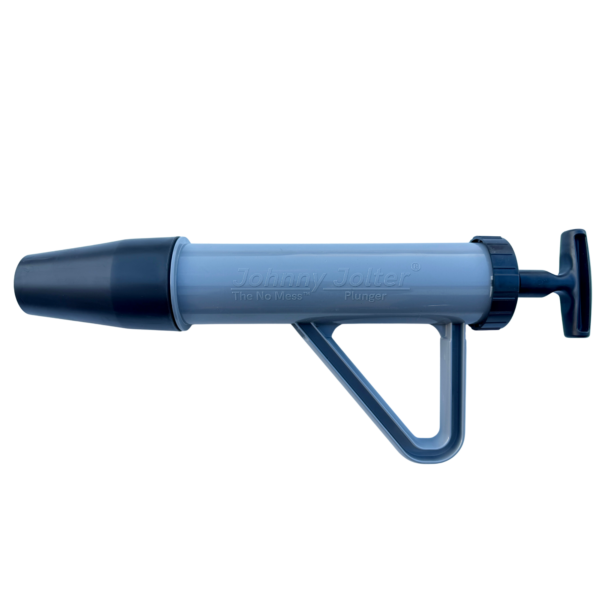
In this guide, we’ll break down the 7 biggest reasons traditional plungers fail and why more homeowners are switching to water-powered hydraulic plungers like the Johnny Jolter No-Mess Plunger for faster, cleaner, and more reliable clog removal.
1. Traditional Plungers Waste Force Because Air Compresses
Most homeowners assume plungers work by “pushing” clogs through pipes. But traditional plungers actually rely heavily on trapped air pressure.
Here’s the problem:
- Air compresses easily
- Compressed air absorbs energy
- Much of your effort never reaches the clog
This means repeated plunging often delivers weak, inconsistent clearing force.
By contrast, hydraulic plungers use water pressure, which transfers force far more efficiently because water does not compress like air.
2. Poor Seals Cause Weak Performance
One of the most common reasons a plunger fails is poor seal integrity.
Signs of a bad seal include:
- slipping during plunging
- bubbling air
- splashback
- weak resistance
Many older cup plungers were originally designed for sinks—not modern toilet bowls.
Modern toilets often have:
- different drain geometries
- elongated bowl openings
- tighter trapway designs
This makes cheap plungers especially unreliable.
3. Traditional Plungers Often Create a Mess
Let’s be honest:
Most people hate using plungers because they’re messy.
When a plunger loses seal:
- contaminated water splashes upward
- droplets spread onto floors and walls
- dirty water contacts the plunger handle
This creates an unpleasant and unsanitary experience.
Many homeowners now search specifically for:
- no mess toilet plunger
- splash-free plunger
- cleaner toilet unclogging solution
because they’re tired of the mess traditional plungers create.
4. Modern Low-Flow Toilets Need More Clearing Power
Today’s toilets use significantly less water than older models.
While this improves water efficiency, it also means:
- reduced flushing force
- narrower internal channels
- higher sensitivity to buildup and partial clogs
Traditional plungers were never engineered for these modern toilet systems.
This is one reason searches like:
- best plunger for low-flow toilets
- low-flow toilet keeps clogging
- strongest toilet plunger
have increased dramatically in recent years.
5. Traditional Plungers Often Only Partially Clear Clogs
This is one of the biggest hidden problems homeowners don’t realize.
A clog may appear “gone” because:
- water slowly drains
- the toilet flushes once afterward
…but debris often remains partially lodged in the trapway.
That leftover buildup becomes the foundation for the next clog.
This leads to:
- recurring backups
- frequent plunging
- slow flushing
- constant frustration
A stronger hydraulic pressure system helps clear blockages more completely instead of merely shifting them temporarily.
6. Cheap Rubber Plungers Wear Out Quickly
Most low-cost plungers eventually:
- warp
- crack
- lose flexibility
- fail to maintain seal
Even slight rubber deformation dramatically reduces pressure performance.
Many homeowners keep the same ineffective plunger for years without realizing how much performance has deteriorated.
7. Traditional Plungers Were Never Designed for Hydraulic Efficiency
Older plungers rely on:
- repetitive manual effort
- inconsistent air pressure
- broad force distribution
Hydraulic plungers work differently.
They use:
- concentrated water pressure
- more efficient force transfer
- deeper pressure penetration into the clog
This engineering difference is why water-powered plungers are becoming increasingly popular among homeowners dealing with:
- stubborn toilet clogs
- repeat backups
- modern low-flow toilets
- messy unclogging experiences
Why More Homeowners Are Switching to Hydraulic Plungers
Hydraulic plungers solve many of the weaknesses traditional plungers struggle with.
Benefits include:
✔ stronger unclogging force
✔ cleaner operation
✔ reduced splashback
✔ better low-flow toilet performance
✔ fewer repeat clogs
✔ more consistent results
Instead of relying primarily on compressible air, hydraulic systems use water pressure to deliver stronger, more focused clearing power.
Why Johnny Jolter No-Mess Plunger Stands Out
Johnny Jolter No-Mess Plunger was specifically engineered to address the real-world problems homeowners experience with standard plungers.
Key advantages:
- Powerful hydraulic unclogging action
- Cleaner no-mess design
- Strong performance on modern toilets
- Better pressure transfer
- Faster clog clearing
- Reduced frustration during emergencies
For homeowners tired of weak plungers and repeat clogs, Johnny Jolter provides a more modern solution designed around how today’s toilets actually function.
Traditional plungers have remained mostly unchanged for decades—but toilets have changed dramatically.
Modern low-flow systems, tighter trapways, and recurring partial clogs require stronger and more efficient unclogging tools.
That’s why more homeowners are replacing outdated rubber plungers with hydraulic solutions like the Johnny Jolter No-Mess Plunger for cleaner, faster, and more reliable clog removal.
If your current plunger constantly struggles, splashes, or fails to fully clear clogs, the problem may not be your plumbing system at all.
It may simply be time for a better plunger.